
The belief that a diet of six small meals, over three square ones, help you stay in shape is fast gaining ground.
Sugar, no rush: Eating small amounts of food at regular intervals throughout the day helps maintain your blood sugar level at an even balance so you don’t get hungry as often. Also eating less at every meal, but eating at frequent intervals keeps hunger pangs at bay because your stomach is never empty.
Energy boost: Small but frequent meals better regulate your body’s insulin, which helps the body convert food to energy and store it. Eating every four hours or so should keep you energized longer. Eating several small meals spaced out over an entire day can keep your metabolism level high so that you’re constantly burning calories.
Improved digestion: Your stomach needs time to digest food, so if you eat a large meal, it will take longer to digest. Your body digests smaller meals more quickly, which will make you feel more energetic and less lazy.
You must know how to make mini-meals work for you. The key is to make each meal half its size but powered with nutrition. The small but filling breakfast, healthy mid-morning snack, portioned lunch and dinner and two mid-afternoon and evening snacks should be of equivalent or less calorie count than what you were consuming over three major meals.
 Online Yoga Classes for Weight Loss
 Does Intermittent Fasting help in Weight Loss?
 Is Intermittent Fasting Good for the Body?
 What is Intermittent Fasting?
 Why should you have six meals in a day?
 Ways to boost your metabolism
 Difference between good fats and bad fats1
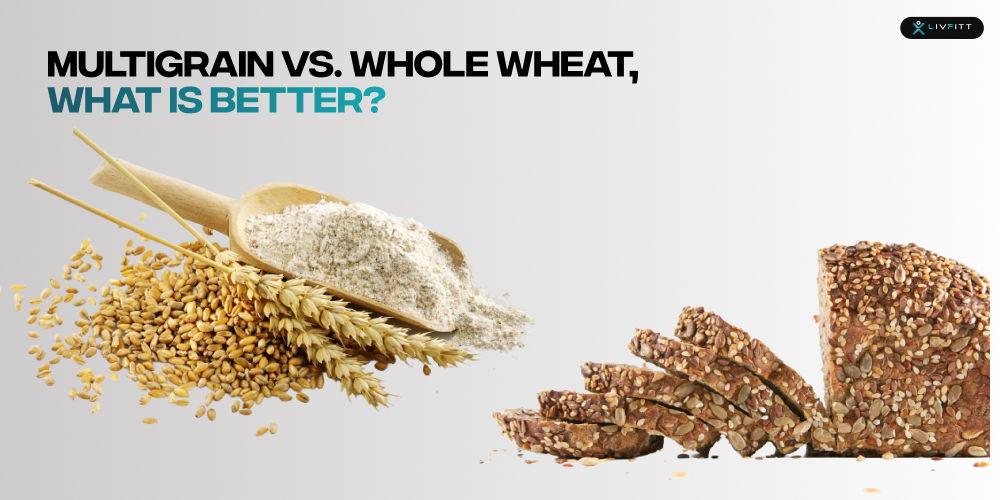 Multigrain Vs. Whole Wheat, what is better?
 Nutritional Facts about Cucumber
 Contemporary Yoga Forms
 Nutritional Facts about Pomegranate
 Know about different types of Yoga
 Why should you exercise regularly?
 How to beat tiredness and fatigue?
 Why is fast food good for you?
 How to break through your weight loss plateau?
 Tips to kick start your journey towards a healthy lifestyle